Many people have heard about Christianity, but not everyone clearly understands what it is or what Christians believe. For some, it is a familiar religion. For others, it is something they want to learn about but find difficult to approach.
Understanding Christianity does not need complicated language. It begins with simple ideas that explain how this belief system started and why it continues to influence millions of people today. This guide explains the basics of Christianity in a clear and structured way so readers can build a solid understanding step by step.
The Origins of Christianity
Christianity began over two thousand years ago in the Middle East. It is based on the life and teachings of Jesus Christ, who lived in the region now known as Israel.
His message focused on faith in one God, along with compassion, forgiveness, and moral responsibility. After his death, his followers shared his teachings across different regions. Over time, these teachings spread widely and formed what we now know as Christianity.
Who Jesus Christ Is in Christian Belief
Jesus Christ is the central figure in Christianity. Christians believe he is the Son of God who came to share God’s message with people in a clear and personal way.
His life is seen as an example of how to live with honesty, patience, and kindness. His teachings focus on love, forgiveness, and taking responsibility for one’s actions. Learning about Jesus helps explain the foundation of Christianity and why his message continues to guide people today.
Core Beliefs of Christianity
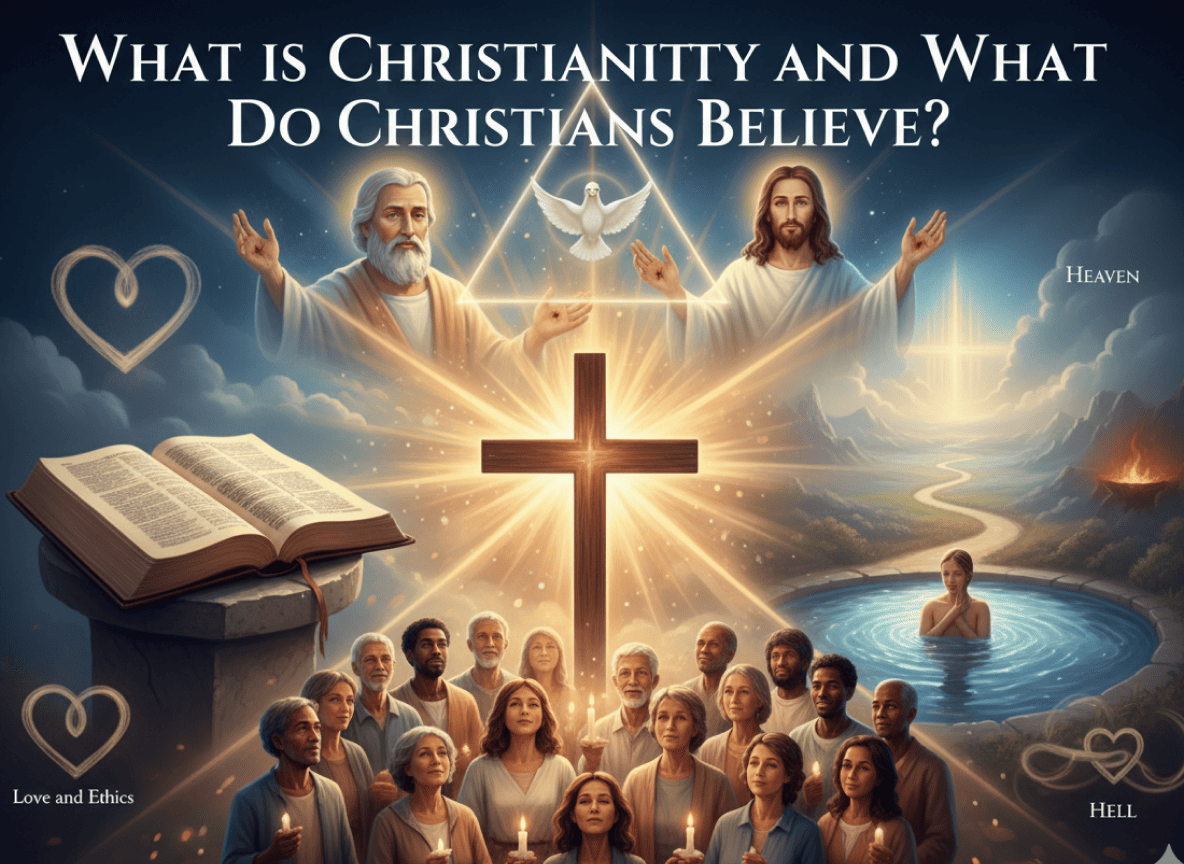
The main beliefs of Christianity form the foundation of the faith and are shared by most Christians, even though some ideas may be understood differently. Christians believe in one God who created and cares for the world. They also believe in the Trinity, which means God exists as the Father, the Son, and the Holy Spirit. Another important belief is salvation, which means people can be forgiven and rebuild their relationship with God.
Grace is also a key part of Christian belief. It means forgiveness is given freely and is not earned by actions. Together, these beliefs help Christians understand their purpose in life and guide how they live and practice their faith.
The Bible and Its Importance
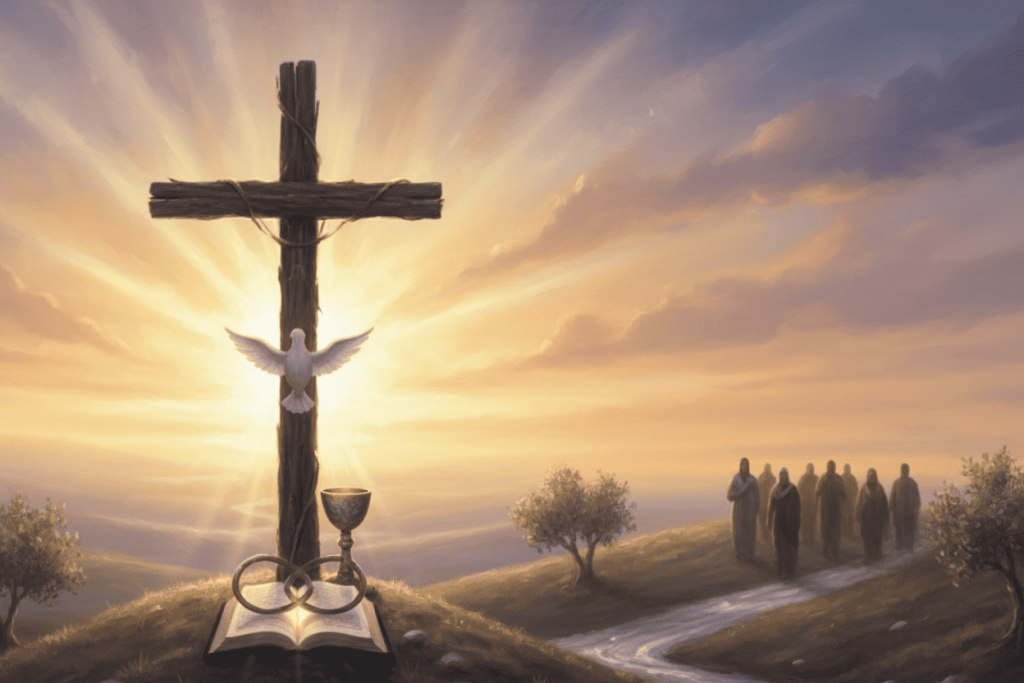
The Bible is the central religious text in Christianity and serves as the foundation for Christian belief and practice. It is divided into two main parts: the Old Testament and the New Testament. The Old Testament includes earlier writings that focus on history, laws, and teachings before the time of Jesus, while the New Testament centers on the life of Jesus Christ and the message that followed. Together, these texts provide a complete picture of Christian faith and its development over time.
Why the Bible Is Important in Christian Life?
- Guides Christians in understanding their faith
- Provides moral and ethical direction for daily life
- Helps explain the teachings of Jesus and their meaning
- Connects believers to the history and foundation of Christianity
- Offers comfort, reflection, and spiritual support
- Shapes how Christians make decisions and view the world
How Christians Practice Their Faith
Christianity is not only about belief but also about daily practice. Many Christians pray regularly as a way to communicate with God and reflect on their lives.
Attending church is another important part of practice. It brings people together for worship and learning. In addition to this, many Christians try to follow their beliefs through actions such as kindness, honesty, and helping others.
These practices show how Christian basics are lived out in everyday life rather than remaining only as ideas.
Major Branches of Christianity
Christianity is divided into three main groups: Catholic, Protestant, and Orthodox. Even though they have some differences in how they practice their faith, they all believe in Jesus Christ and share the same basic teachings. The differences are mostly in traditions, worship styles, and how they understand certain ideas.
Catholic
The Catholic Church is one of the oldest forms of Christianity. It gives great importance to traditions, church leadership, and the authority of the Pope. Their way of worship is organized and follows long-standing customs that have been practiced for many years.
Protestant
Protestant Christianity includes many different churches and groups. It started as a reform movement that wanted to change some practices of the Catholic Church. Protestants usually focus more on personal belief and encourage people to read and understand the Bible on their own.
Orthodox
The Orthodox Church is deeply connected to the early history of Christianity. It keeps many ancient traditions and focuses on preserving the original practices of the faith. Their worship is often rich in symbols, rituals, and meaningful ceremonies.
Christianity in Everyday Life
Christianity influences how many people think, act, and treat others in daily life. It teaches important values like kindness, patience, honesty, and forgiveness. These qualities help guide people in making good decisions and handling different situations calmly and fairly.
These values are not only practiced in religious places but also in everyday life, such as at home, at work, and in friendships. This shows that Christianity is not just a set of beliefs but a way of living. By observing daily actions, we can better understand what Christianity means in a real and practical sense.
Common Questions About Christianity
People who are new to Christianity often have important questions. These questions help build a clearer understanding of the faith and its teachings.
-
Why Do Christians Believe in God?
Christians believe in God as the creator and sustainer of the world. This belief is based on the teachings of the Bible and the life of Jesus Christ. Faith, personal experience, and tradition all play a role in shaping this belief.
-
What Happens After Death?
Many Christians believe in life after death. This includes the idea of eternal life, where individuals are judged and enter a spiritual existence based on their faith and actions.
-
Why Are There Different Interpretations?
Christianity has developed over a long period of time and across different cultures. This has led to different interpretations of teachings and practices. Even with these differences, the core beliefs of Christianity remain shared among most groups.
Thinking about these questions helps move beyond basic knowledge and leads to a deeper understanding of Christian religious beliefs.
Understanding Belief from a Broader Perspective
To understand Christianity more deeply, it helps to look at how beliefs are formed and interpreted over time. Religious ideas are influenced by history, culture, and human understanding.
For readers who want to explore this further, books can offer a more structured perspective. One example is The Mythology of Christianity, which examines how belief systems develop and how interpretations change across different contexts.
This approach allows readers to move beyond surface-level understanding and think more carefully about how beliefs are shaped.
Conclusion
Christianity is not only a set of beliefs but also a way people choose to live their lives. It is shaped by the teachings of Jesus, supported by the Bible, and reflected in everyday actions and choices.
Learning about it takes time, patience, and an open mind. As you explore the Christianity basics, you begin to see a clearer picture of what Christians believe and how those beliefs influence their lives.